
*I update this whenever I learn something new (to me) so check back often!
Last update August, 2025
If you really want to travel, you probably can. That’s right. It doesn’t have to cost a lot of money. You DO have to be flexible, be willing to put in some time to do the work and you may have to make some concessions regarding “luxuries”.

Hi! My name is Jodi and I’ve been traveling extensively for about 15 years and visited 82 countries at this point. Along the way I’ve learned a LOT. Several people have asked me how I do it (no, I’m not rich!!) so I thought I’d put it in a post. If you’re interested in traveling for more than a week or two at a time, this post is for you. You will discover how to get off the beaten path a bit and learn how to get away from “resort life”. I’m a budget traveler. I’d rather not spend money on things not important to me so I can spend more on others. I don’t really care what my room looks like. It just needs to be clean, as I spend very little time there. What’s important to ME is seeing and experiencing as much as I can. I’m willing to give up some comfort in the short term. This allows me to utilize the resources I have more efficiently. Here’s what I have learned. If you have more tips, feel free to post them in the comments. There’s always more to learn!!
- FLIGHTS!
- OTHER TRANSPORTATION:
- Navigation apps. How do you GET there?
- Accommodations
- Tours
- Staying Connected
- Security
- What about LUGGAGE?
- WHAT TO PACK?
- What about MONEY?
- FLYTRIPPERS
- Insurance. Don’t leave home without it. Seriously
FLIGHTS!
- Travel during shoulder seasons. Not only will you find better deals but there will be fewer crowds too. Often the weather is better. Europe in the summer is high season. It’s often way too hot to do some of the things you want. I love to hike and that’s not nearly as much fun when you’re sweating like crazy. For instance, I visited Plitvice National park in mid May. The weather was gorgeous! I know I lucked out and was prepared for rain. I’d even budgeted an extra day there, just in case. A 2 day ticket to the Plitvice park was 300kn. During high season that’s the fee for ONE day.
- Depending on where you’re flying you want to check out skyscanner or Kayak as well. You can set alerts on them and they’ll notify you when the price changes.
I also follow a few “deal” sites that occasionally find mistake fares or just some really good deals. You do have to be quick though as those seats go quick! I’ve never had to use it but generally you have 24 hours to change your mind. So you can book something first and figure out how you’re going to manage it later.
Here are a few you can follow: If you’re flying out of Toronto, this one is excellent. I follow this and the one for Montreal on Facebook as well. https://www.yyzdeals.com/
This one has provided some great deals too: https://nextdeparture.ca/
Then there’s secret flying. https://www.secretflying.com/ - Be Flexible! Try not to pick your dates until AFTER you choose your flight! There are no hard and fast rules on days of the week to travel but often midweek is cheaper. Try alternate airports. Sometimes for me it’s cheaper to fly out of Montreal (rather than Toronto). The train trip there is more expensive so I have to balance that. Recently I travelled South America. I wanted to fly into Lima and out of Buenos Aires. I did some research and juggled dates. I discovered it was about $200 cheaper to fly home from Montevideo, Uruguay. Getting there from BA wasn’t difficult and I got to spend some time in Colonia and Montevideo. Bonus.
Doing this for trips to Europe is even easier. It’s cheaper to fly into major airports like Paris, Brussels, Lisbon….etc. Check out the price of trains or buses to where you want to go. Is it worth the price difference? Can you afford the extra time? I enjoy it for the opportunity to visit another destination. - Look for flights on Sundays. Yes, it used to be Tuesdays but recent studies show that the best prices are often on Sundays. Fly on Tuesday, Wednesday or Thursdays. Flights are often more expensive on the weekends.
- Go to less expensive destinations. The flight might cost more but if accommodations and food are a lot cheaper, it works out. South East Asia is a great destination with lots to see. Vietnam, Thailand, Indonesia…..The Philippines are all amazing. Colombia is still really reasonable. There are some areas in Europe you can visit on a budget as well. If you can get there on Aeroplan points all the better! Check out Flytrippers https://flytrippers.com/travel-tips/ to learn how to use credit cards to accrue more points.
- Collect points for EVERYTHING! You never know when they’ll add up. I get free groceries with airmiles and PC points. In Canada Triangle rewards can add up for use at Canadian tire or Mark’s Work Wearhouse too. All these savings add up to funds you can use for FUN.
Aeroplan, Avios, Westjet rewards…..check out Fly Tripper’s credit card evaluations and utilize your credit to get sign on bonuses. They often have special deals that make getting points faster and easier. I’ve managed to score a few free flights recently. Again, this takes research and time to figure out how best to use the points and when. Again, IF you REALLY want to travel for less, it CAN be done. - READ THE BOOKING PROCESS CAREFULLY!!! Do you want to check a bag? Bring carry on only? Don’t just assume their “bundles” are the best price. Often you get things you don’t need. Example. I recently flew Ryan air and wanted to bring a carry on bag. That’s extra. The bundle included priority boarding and seat assignment, neither of which I cared about for a 1.5 hour flight so I read further. For me it was cheaper to CHECK my bag than carry it on! Airlines are charging for EVERYTHING these days.
OTHER TRANSPORTATION:
Navigation apps. How do you GET there?
I start with mapping it out using Rome to Rio. Find that here: https://www.rome2rio.com/
This is an EXCELLENT tool for mapping out transportation. You can use trains, planes, automobiles, ferries….you get the picture. Play with it. It’s great fun for figuring out different ways to get places. You can use it for just getting from A to B or for creating an entire itinerary.
There are a couple of apps that can be handy for planning a route. You can use Google Maps or
Maps.me. ALLTRAILS has lots of routes for cyclists or hikers and sometimes has town walks.
Nomadi is one that’s new to me that I used in recent trips to Europe. It’s great for city walks and planning routes to see points of interest and restaurants.
TRAINS and Buses

Trains are my favourite. Stations are in areas of town easily accessed by other public transit or your own two feet. You can book those for all over through OMIO: OMIO LINK
Trainline works for most of Europe too.
FERRIES
If you can’t get there by train then ferries often work great. Right now OMIO is offering 15% off ferry trips if you book through this link. OMIO LINK
Getting around
Don’t be afraid to use public transit!! Even if you don’t speak the language, there are often English signs. Just take your time and enjoy. Don’t worry about getting lost. You’ll get found again and you might see something interesting along the way. Google maps is your friend for transit and for walking, use an app called Maps.me You download the map and it works without data. It’s often easier than google to use when walking.
Accommodations
My favourite site is Booking.com. Click here to search for your accommodations: Booking.com
With all the bookings on one site, it keeps track for me of where I’m going and when. It’s got great directions too and even in the local language. If you have to ask someone for directions, that’s handy. I try to find something as close to the sites as possible so I can walk everywhere. It saves on the cost of transportation. From there I choose by price, lowest first, and I check the reviews. I look for something with a 7.5 or higher. READ the reviews, especially the bad ones. They can be enlightening as sometimes it’s the negative reviews that convince me it’s the place for me. I have learned that a higher price does not mean a place is nicer. It is not more comfortable, and it definitely doesn’t mean it’s cleaner. Smaller, family operated accommodations are often friendlier and more helpful than that big chains. The bonus is you often get a more culturally authentic experience. Some folks like AirBnb. I’m not a fan. I’ve seen the negative impact it has had on places like Porto, Lisbon, and Barcelona.
There are other sites that are helpful for finding budget accommodations. Expedia is good when combining a flight. Agoda and hostel bookers are other sites that are decent. Fly trippers recommends hotels.com as they offer rewards of 10%
If you like fancy hotels, Hotwire often has great last minute deals.
In some places I’ve stayed in hostels. If you are traveling with a friend, you can often get a private room in a hostel for a decent price. Often you even have access to a kitchen and a common room. You can save money by making some meals or even just making your own coffee. A bonus to hostels is you often get to meet people too. In the Abraham Hostel in Jerusalem we got to participate in a Shabat dinner. That was really interesting!
Hostels often have a travel desk. They can help you find less expensive ways to see sights. These include free walking tours. Those are my favourite. In most cities it’s one of the first things I do. Free walking tours are tip based. Most of them are excellent because they don’t get paid unless you’re happy. It’s a great way to acclimatize yourself to a new place. They often have great recommendations for things to see and where to eat. Sandeman’s tours are world wide. Here is their Europe site: https://www.neweuropetours.eu/free-tours/
For tours world wide: https://www.freetour.com/
Tours
There are many times I prefer to take a tour rather than plan everything myself. There are lots of good operators out there. I look for small groups, less than 20 people. I don’t want to feel part of a herd. I also look for lots of free time and few meal inclusions. I don’t want to eat 3 meals a day. Not only will I get fat but it’s very time consuming. I don’t want to be with the group all the time as I like to explore on my own. However, it is nice to meet and spend time with people.
Start with looking at Tour Radar for ideas. CLICK HERE
Tour Radar offers weekly deals as well. Those can be found here: WEEKLY DEALS
AND last minutes deals! Those can be a real bargain: Last minute tour radar deals.
One company I’ve used a lot is G Adventures. You can look through my posts at all the trips I’ve taken with them (over 20 now!). They’ve all been great. This is especially true for solo travelers. There’s no single supplement if you’re willing to share a room. I’ve done it many times and rarely had a difficult room mate. Often I combine a tour and time on my own. I’ve even met several future travel buddies that way!
My most recent trip with them was South America. That trip starts here: A week in Cuzco, Ollantaytambo, Sacred Valley, Aguas Callientes and Machu Picchu
I haven’t used a travel agent in years as any I’d tried were of very little help. Recently I connected with Maude Mainguy who has REALLY helped me save some money on tours. She specializes in G Adventures sales and knows her stuff. Maude responds quickly and uses many communications methods including Messenger and WhatsApp. Check her out!
https://www.facebook.com/maude.passion.voyage
In the UK I used Rabbie’s tours for a 5 day trip to Wales. I also took a tour to Scotland and one to Ireland. All were great!
In Myanmar I used Stray Asia. They haven’t started tours in Asia since covid but hopefully they do soon. Budget Africa for a safari in South Africa, Zimbabwe, Botswana and Namibia. Down Under Down under was excellent in Tasmania were also a lot of fun. When we did the Camino in Spain and Portugal we used a local travel agent as well. https://caminotravelcenter.com/
None of these are expensive. While it might be cheaper to do on your own, it often balances out as they help optimize your time.
This blog post is written by Carly, a travel agent who specializes in small group tours. Here she compares various companies. It gives you a fantastic explanation of all of them so you can all the info in one place. Check it out!
G Adventures VS Intrepid….etc
Some folks use Viator or Get your guide for day tours or even multi day trips. I’ve used them occasionally. Most of the time, I use them for information and figure it out on my own.
Staying Connected
That’s a big one. In these days of smart phones, it’s your best friend when traveling. Take pictures of all your documents. You can store plane tickets, boarding passes, train tickets, tour tickets….everything goes on your phone. For that reason you MUST guard it carefully. Pick pockets are your biggest threat in cities, especially at train and bus stations and any crowded place. I have mine on a tether strap. When walking with it I often wrap it around my wrist when it’s not around my neck. This one is great:

To stay connected you’ll need a sim card. Sure, you can pay for international roaming but that’s expensive.
I have purchased local sims at the airport in the past. It’s not the cheapest place to get one but I often need it to navigate my way to the accommodation. (Have I mentioned how good I am at getting lost?)
On my last few trips I discovered eSims They work great for the most part. You don’t have a phone number with E-sims. Make sure you don’t need two factor authorization for banking, etc.
You install it at home at your leisure and activate it upon arrival. On my recent trip to Greece, it received as much service as any other. Sometimes, it performed better when others had no service. The one I used is called Airalo.
https://www.airalo.com/
For my trip to Greece it cost me $16 CAD for a month with 5 gig of data. Since then I’ve purchased one for a trip to the UK, South America and the USA. The beauty of this is you don’t have to take out your sim card and fear losing that tiny thing. It stays in your phone and you just reactivate it on the plane on the way home.
Use this code and both of us get $3 USD off our next eSim purchase!
JODEA3430
Airalo.com
On my last trip I tried a new eSim from Singapore. It worked great for Europe but apparently doesn’t cover South America. The nice thing about Eskimo is that you can get a 10 gig global eSim. It doesn’t expire for 2 years. So if you’re doing lots of travel it might be the way to go for you. Go to this link ESKIMO Use the code JODEA171729 and we both get an extra 500 MB free.
If a tech challenged person like me can install an eSim, so can you.
Security
These days scams are everywhere and public wifi is not safe. Unless you want to use your own data for everything, protect yourself with a VPN.
This is the one I’ve subscribed to as it’s been recommended by many travelers as well as digital nomads. Surf Shark
If you sign up now you get 100% back from Rakuten (more about that below)
What about LUGGAGE?
This one is a toughie. Of course it depends on your destination but regardless, I don’t usually check a bag. There are many reasons for this. It saves time at airports waiting at the carousel to pick up your bag and ensures your luggage won’t get lost. Most airlines now charge extra for checked baggage. The BIGGEST reason is I don’t want to carry a lot of stuff with me. It’s so much easier to climb 3 flights of stairs with a back pack than a heavy suitcase. Navigating trains and buses is much easier with less stuff as well. So. What kind of bag do I like? Well, I’ve tried a LOT of them.
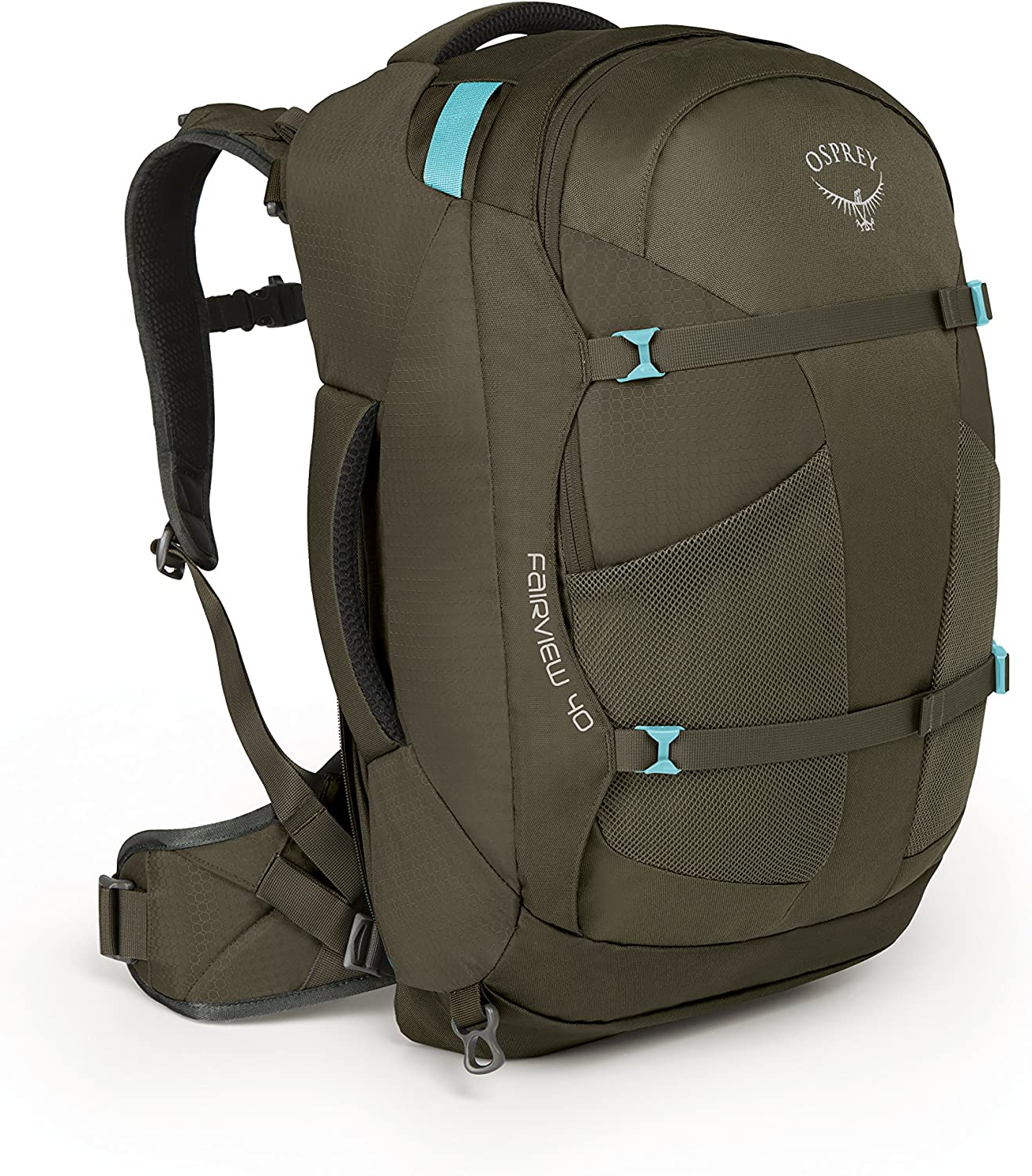
Travelers love Osprey. I don’t get it. I used a fairview 40 for a trip to Japan for a month. The best thing about it was that it was comfortable to carry. However, the compression straps are on the outside. They make it impossible to access any of the pockets without taking it all apart. The water bottle pockets are useless. Since it’s so highly rated, it was easy to sell when I got back.


My favorite bag is the eBags Mother Lode Weekender. I had the larger version but switched to the Junior, which is spacious enough. It’s expandable, so packing is easier with an extra 2″ of space. Start with it compressed to fit in airline measurement boxes. The blue bag from Hynes is good too, but it feels less durable. I’ve tried Eagle Creek bags, but they tend to be heavy. The Eagle Creek Cargo Hauler (40 liters) is lightweight but lacks pockets. Wheels add extra weight, often making bags hard to lift into overhead compartments, especially for shorter people. Wheels are impractical on stairs, and not all hotels have elevators. My soft-sided bag fits easily in overhead bins, even when airlines measure carry-ons. Since the pandemic, airlines have tightened policies on oversize bags. On a recent Ryan Air flight, checking my carry-on was cheaper than storing it in the overhead. Always check your airline’s luggage policies before flying!
WHAT TO PACK?
Now what to pack IN your bag? I use compression packing cubes. Link here. It helps keep your bag organized and lets you put more in it. One is used for under things one for shirts and one for trousers. On the last trip I also took one for a couple of dresses. Pack enough clothing for a week and do laundry on the road. Undies can be easily washed in the sink using hand soap. Soap is soap.
Depending on the climate you’ll need:
5-6 underwear (some say 3. One to wear, one to wash and one to spare but I just can’t do it!)
3-4 pairs socks. Again, depends on climate. An extra bra. 2 swim suits if it’s a hot trip. A bikini top can double as a bra if needed.
4-5 tee shirts, 1-2 long sleeved, layers for colder trips.
1 pair of pants. 2 shorts. A dress or nicer top to wear for nice dinners.
On the plane wear layers. A tee shirt, long sleeved shirt, pants and jacket and your heaviest shoes. I wear hiking shoes and bring sandals as well as a pair of flip flops. If it gets colder you can bring a packable down jacket. I’d wear it on the plane. It doubles as a pillow on the flight too.
Your list might be different but you get the point. LESS is better. Make sure everything goes together. Pick a colour scheme you can mix and match. I didn’t pack much more than that for a 10 week trip to Australia and New Zealand or a 2 month trip to Europe. I picked up a couple new tee shirts along the way as I was so sick of my clothes.
Toiletries. Is there anything special you can’t buy there? Remember all your liquids must be less than 100 ml (3.4 oz) each and fit in a 1 litre bag. I usually bring the minimum and buy things like body lotion on the way.
Personal Item. You can bring a small back pack or purse. When I’m going on a trip where I plan to hike a lot, I bring a light weight packable backpack pictured below. For recent Europe trips I was visiting more cities so I took a “nicer” back pack. It’s a little more pick pocket proof as the big pocket sits against my back. In that bag you must fit any electronics and necessities. Some like travelon or other official antitheft bags but you have to REMEMBER to close the lockable zippers properly. I’ve never had a bag slashed but that is a consideration. That bag goes under the seat in front of you on the plane.


What about MONEY?
Some say you don’t need cash but I’ve found when budget traveling, you use it a lot more. Smaller establishments prefer it. I usually bring about $200 USD or Euro for back up. This I carry in a money belt with my passport. It’s the emergency stash. I rarely use it and just keep it for the next trip but when you need it, you NEED it. Also in the money belt I keep a spare credit card and a debit card. If you’ve ever had a card compromised, you know that you do NOT want that to happen when you’re far from home. You want to avoid this situation at all costs. If it does you want to have access to an alternative.
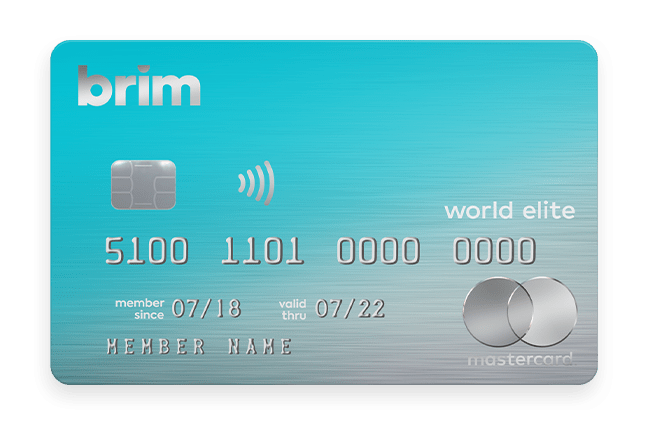
I have a credit card I use specifically for travel. In Canada, the one I used recently changed their “no fees” to a 1.5% conversion fee. It still saves 1% and has a 1% cash back so you break even. The BRIM mastercard. It has a few other perks too.
One is Hometrust and the other is an RBC card that has a fee. That one might be worth it if it has a good sign on bonus. It also offers other perks. One is lounge access if that’s your thing. YES. ALL the other cards charge you 2.5% conversion fee on EVERY foreign currency penny. That adds up. There’s also a WISE debit card that you can preload with the currency you’ll need on the road.
https://wise.com/
My debit card is from Motive Financial and it too has no conversion fees. Your bank might have one too. Make sure you ask. Many add another 2.5% or more to the conversion rate in addition to ATM fees. Nobody likes paying bank fees!
Upon arrival at my destination I often take the maximum amount from the ATM and split the cash up in various places. I’m lucky enough to have never been robbed but have been with several people who have.
If your debit card isn’t great, you can preload your brim credit card and use it as a debit card. As long as there is NOTHING owing on the card, you won’t pay interest on a cash withdrawal.
Sometimes it’s worth it to pay fees for credit cards and I’m still learning the credit card hacking thing. They often have sign on bonuses. You use those to accumulate points to obtain free flights or hotel stays. It’s always been a big thing in the US and is getting better here in Canada.
FLYTRIPPERS
This site is Canadian and has lots of info on travel hacking and using credit cards to get what you want. Check it out. https://flytrippers.com/best-credit-cards-canada/
If you’re really serious about traveling for less, credit card hacking is really worth looking into. YES, it’s work! I have learned a TON from Andrew on this site. He does videos on how to use credit cards to accumulate points and travel for MUCH less. The banks always make money. Why not use them to your advantage?
*** I recently attended a webinar by flytrippers. They’re Canadian and have some great tips! https://flytrippers.com/travel-tips/
Insurance. Don’t leave home without it. Seriously
Don’t leave home without it. Seriously. Check your credit card. The insurance on that may be enough. Review it carefully and make sure you are covered for a medical emergency as you NEVER know when that will happen. Make sure you know the process if it does. Have the numbers in your phone. Better yet, print out a copy of the insurance certificate.
Trip interruption is often on your card as well. USE IT! I’ve submitted claims for a hotel room and breakfast when a connecting flight was canceled. It worked. They often have some cancellation insurance as well. Before you waste money on an outside policy make sure you’re not already covered.
I have an annual policy with Medoc but if your trips aren’t longer than 2 or 3 weeks (or are over 65!) you probably don’t need that. For me it’s great as they have supplemental insurance for trips over 35 days that is reasonable.
Note that in Canada you might need out of province insurance even on domestic trips. Again, check your credit cards!
There’s a LOT of information in this post! Way too much to process at once and more than you’ll need for any one trip. Bookmark it and refer to it next time you’re planning a trip. Only YOU can set your priorities. If you want to travel, only YOU can make it happen. Good luck!
Please share any tips you have in the comments!
Thanks!!
Rakuten: Not exactly travel related but helps save a bit of money
Do you use Rakuten (formerly Ebates)? If not, you really should. It’s easy and costs you nothing. It’s a cash back site. Retailers pay a commission and Rakuten in turn shares that with you in the form of cash back. Many travel sites have access to it including Viator and Booking.com.
Use this link for an extra 10% back RAKUTEN
- FLIGHTS!
- OTHER TRANSPORTATION:
- Navigation apps. How do you GET there?
- Accommodations
- Tours
- Staying Connected
- Security
- What about LUGGAGE?
- WHAT TO PACK?
- What about MONEY?
- FLYTRIPPERS
- Insurance. Don’t leave home without it. Seriously
***Some of these are affiliate links. I may receive a small benefit from them that does NOT affect you.
Here is a tip for you. I haven’t tried it but it sure sounds like a great idea! What do you think? Let me know if you’ve done it!

- (no title)
- Turkmenistan Adventures: From Dashoguz to Ashgabat
- Tashkent to Samarkand: A Journey Through Uzbekistan
- Silk Road Journey: Highlights of Tajikistan’s Natural Beauty
- Adventuring Through Kazakhstan: A Silk Road Journey
- Africa
- Asia
- Australia
- Belize
- Borneo
- Botswana
- Camino
- Canada
- Caribbean Islands
- Central America
- Central Asia
- Colombia
- Costa Rica
- Costa Rica
- Etcetera
- Europe
- Finland
- Germany
- Greece
- Hiking Ontario
- Indonesia
- Indonesia
- Israel
- Japan
- Kazakhstan
- kyrgystan
- London
- Malaysia
- Mexico
- Morocco
- Myanmar / Burma
- Myanmar / Burma
- Namibia
- Namibia
- Netherlands
- New Zealand
- Ontario
- Packing tips
- Peru
- Philippines
- Photography
- Portugal
- Singapore
- South Africa
- South America
- Spain
- Sri Lanka
- Sri Lanka
- St Lucia
- Sumatra
- Tajikistan
- travel
- Uncategorized
- United Kingdom
- Zimbabwe
https://www.googletagmanager.com/gtag/js?id=G-GYEFRT079J
window.dataLayer = window.dataLayer || [];
function gtag(){dataLayer.push(arguments);}
gtag(‘js’, new Date());
gtag(‘config’, ‘G-GYEFRT079J’);

 Where in the world is Jodi?
I love this post. When I traveled to Australia in 2018, I could have used this information. It would have reduced my stress level. As a very infrequent traveler, I’d love to see information about how airports work. It is assumed that travellers know what to do at airports. I did not because I fly so infrequently.
LikeLike
I don’t think it matters how often you fly. Airports are confusing. They’re all different and regulations are constantly changing. Sometimes I think it just depends on what mood they’re in!
LikeLike
Thanks Hilda! Make sure you read the fine print on your plane ticket. Sometimes it tells you something important. Not often, but you never know 😉
The funny thing is that NOBODY knows how airports work. If you look around you’ll see a LOT of confused people. LOL Airports are all different and change often. I flew home to Toronto in June from Dublin and then in September from Athens. Two VERY different experiences. I show up ridiculously early. I’d rather sit and read a book for an hour or so than stress about being late. Pretend you know what you’re doing, be calm, and just follow directions. I don’t take my liquids or computer out unless they ask. I have them ready so it’s quick if they do but why add extra steps if they don’t care?
Same with stopovers. Just read all the signs. Ask someone if you’re confused.
Another benefit to taking only carry on is you can skip the check in line. Check in online then go straight to your gate. You’ll have to show your documents at the gate but it eliminates a line. If you’re travelling with someone, take turns watching the bags and go for a walk. You’ll want to do some stretches and stuff before boarding anyway.
LikeLike
Pingback: Budget itinerary for a month in Israel. You CAN do it with public transit! | Where in the world is Grandma?
‘ Don’t worry about getting lost… you’ll get found again’ . I love that!
LikeLike
Somehow I missed this 😀 I have lots of experience as I’m good at getting lost. I’m still here!! LOL
LikeLike
Pingback: Where in the world is Grandma? World travel blog
Such a helpful guide for anyone looking to travel without breaking the bank. I especially appreciated the insights on off-season travel.
LikeLike
Thanks! I hope it helps you travel more.
LikeLike