Carrying on with my next adventure that started in September, 2026. Here’s the previous post: A few days in Azerbaijan
Border crossings seem to be my specialty this trip—and not in a good way. This time the problem was actually on their end: someone typed my passport number wrong when I entered Georgia, so it took a small eternity to fix before they finally decided I could, in fact, leave. On the Armenia side I then discovered I needed a visa. UGH. So off I went: fill out the paperwork, trot to the bank to pay the fee, then shuffle back to passport control, while the rest of the group got an unexpected masterclass in patience. I felt bad—I really should have known—but at least I wasn’t the only clueless one. A Swiss man got stuck at the bank because it was cash only and he had none of the currencies they would accept. I ended up lending him the required laris and he handed me a 10 Franc note in return. Maybe one day I’ll actually make it to Switzerland to spend it—assuming they let me across that border.
In the passport line I noticed a Canadian couple equally surprised. Later I looked it up and it DID say a visa was required but that it was easy to obtain upon arrival. That might be true if you fly in? Lesson learned!
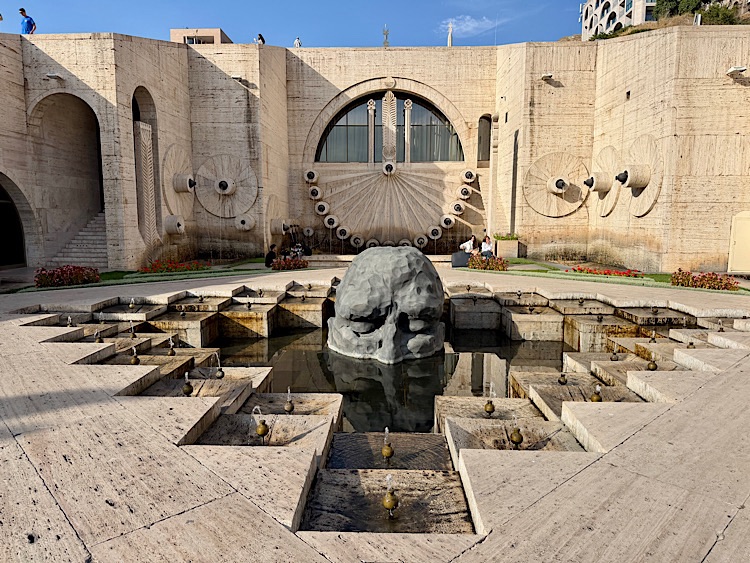
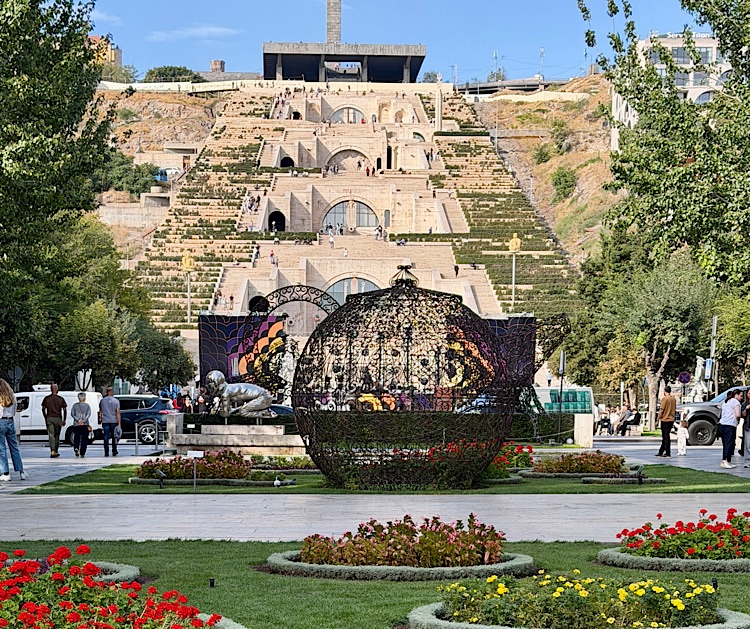
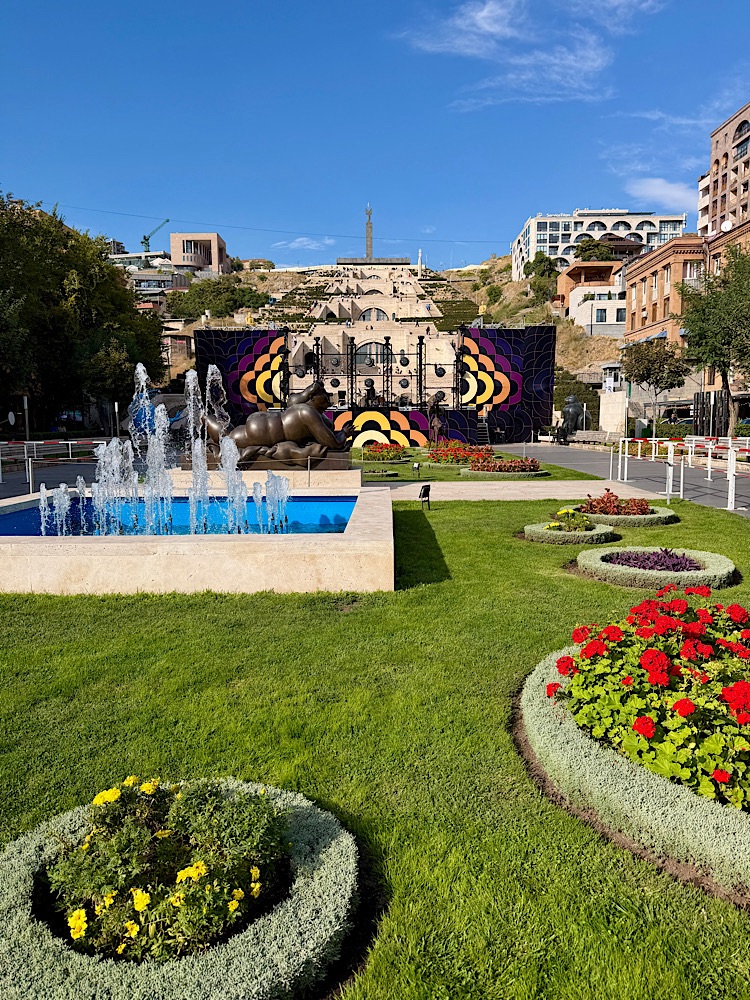
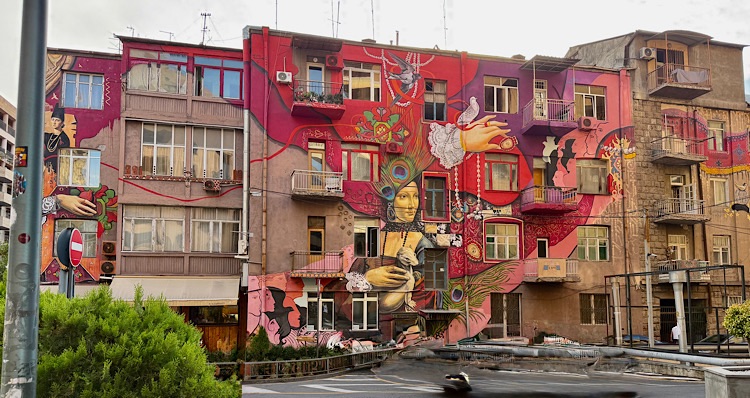
We carried on to Yerevan, a bustling metropolis and modern city. There’s no old city even though Yerevan is over 2,000 years old. The attraction is a beautiful main walking street and parks. The cascade complex is an interesting, massive structure with 572 steps. It was hot. We took the escalator most of the way up and walked down.
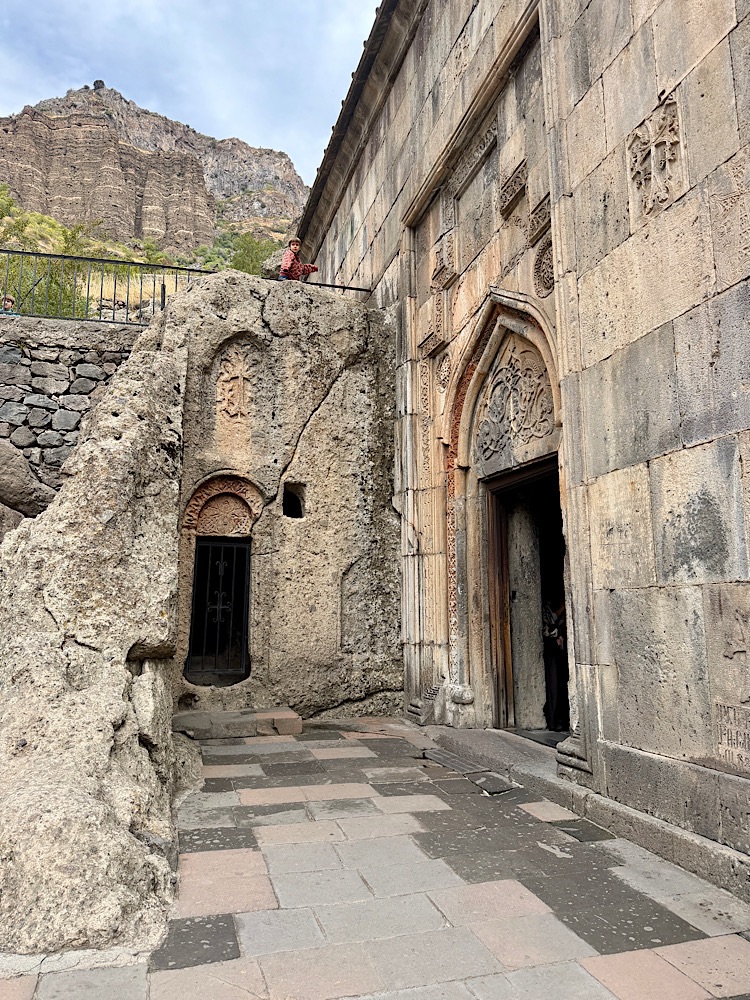
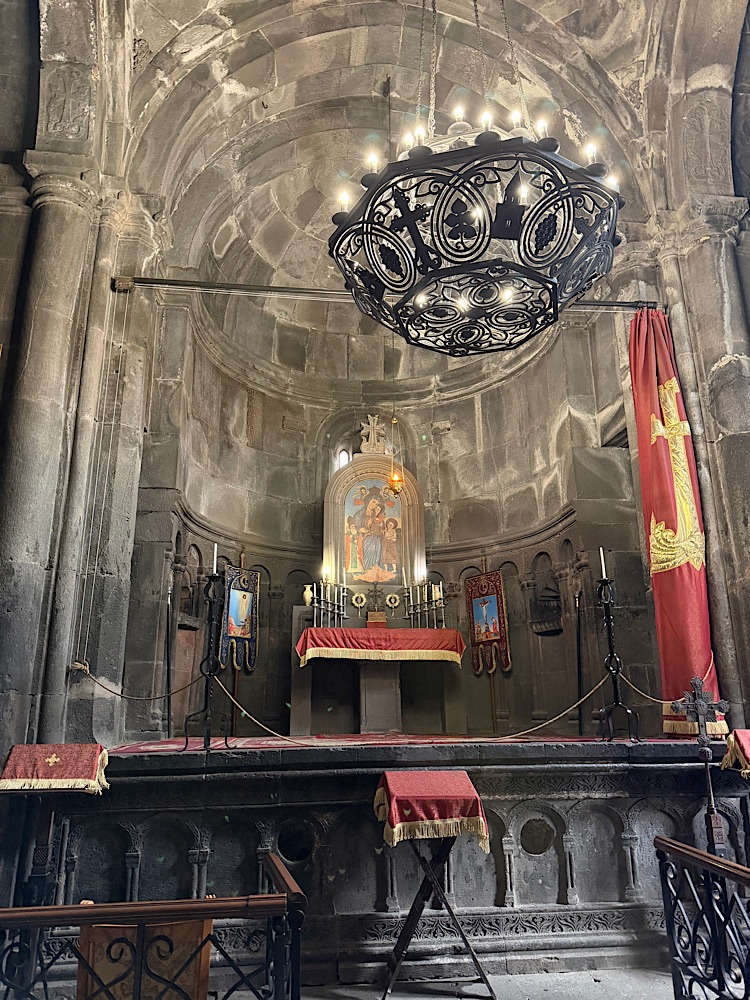
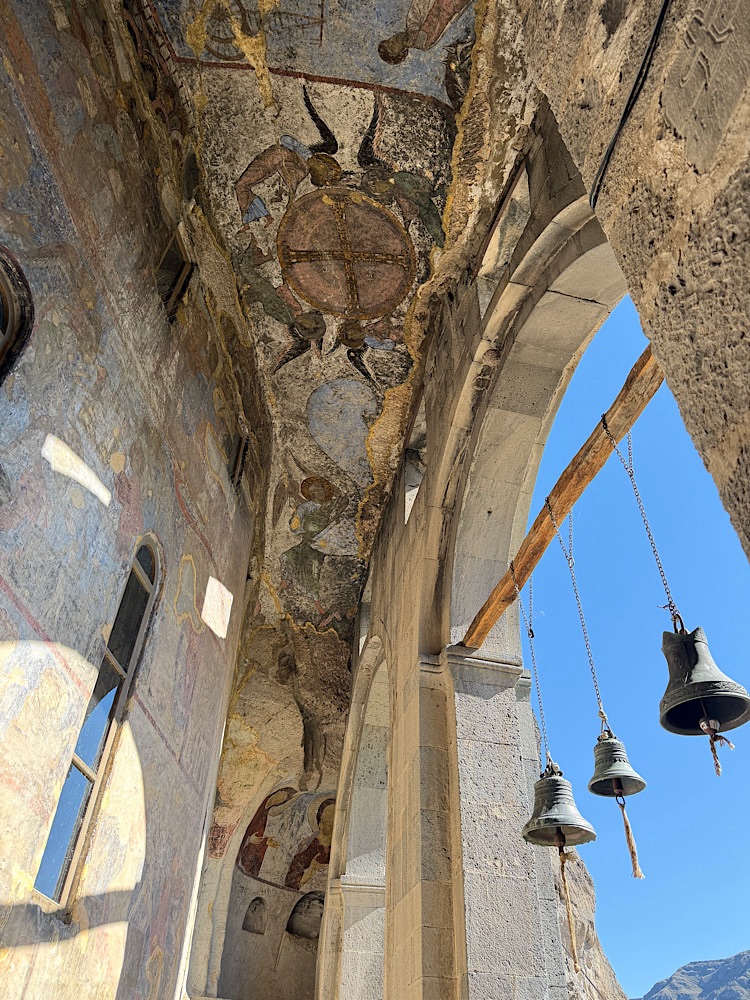
On our way to the Geghard monastery I was thinking soon I’d be bored of monasteries. You’d think so. We’ve seen a LOT of them. But every one is different. Geghard was also special. It’s built into the rocks, on the shore of Sevan lake. Apparently the Holy lance which pierced the side of Christ, is kept there.
The church has amazing acoustics and we were lucky enough to witness 5 women singing acapella in a circle. Wow. You’d think it was a whole choir as the sound was amazing.
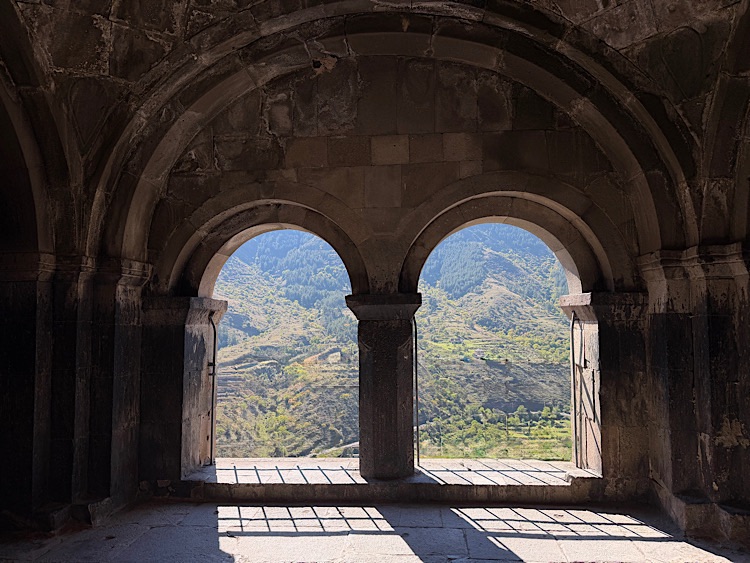
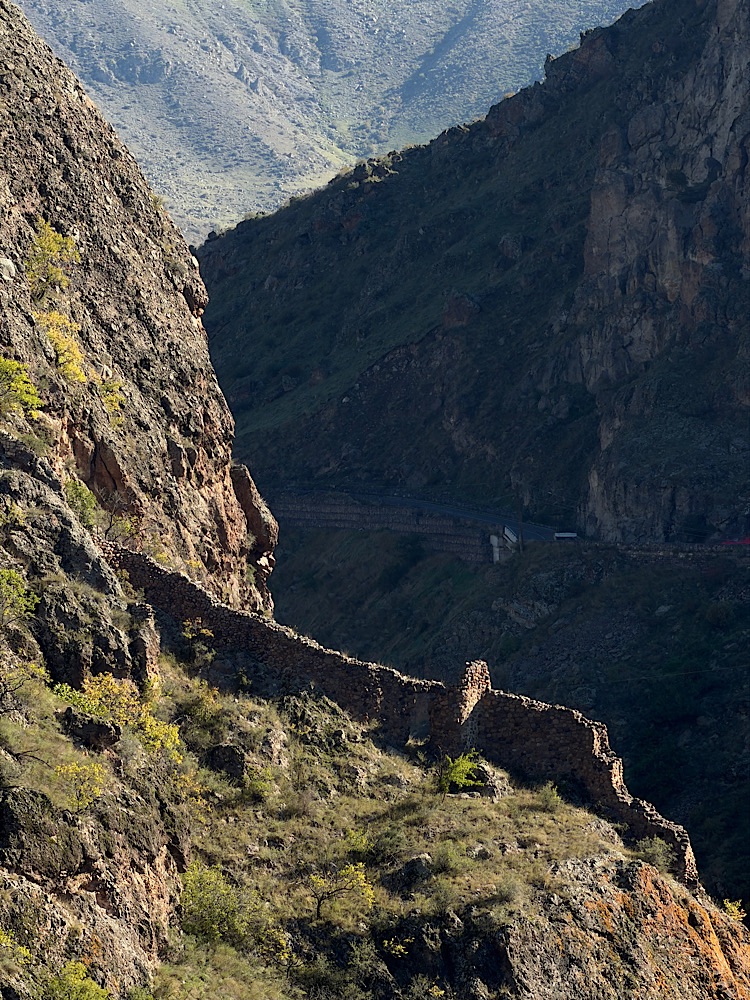
Next we visited the pagan temple in Garni. The impressive thing here was the view. There are also ruins of Roman baths complete with mosaic floors that are really interesting. You can see how they heated the floors so people had HOT baths!
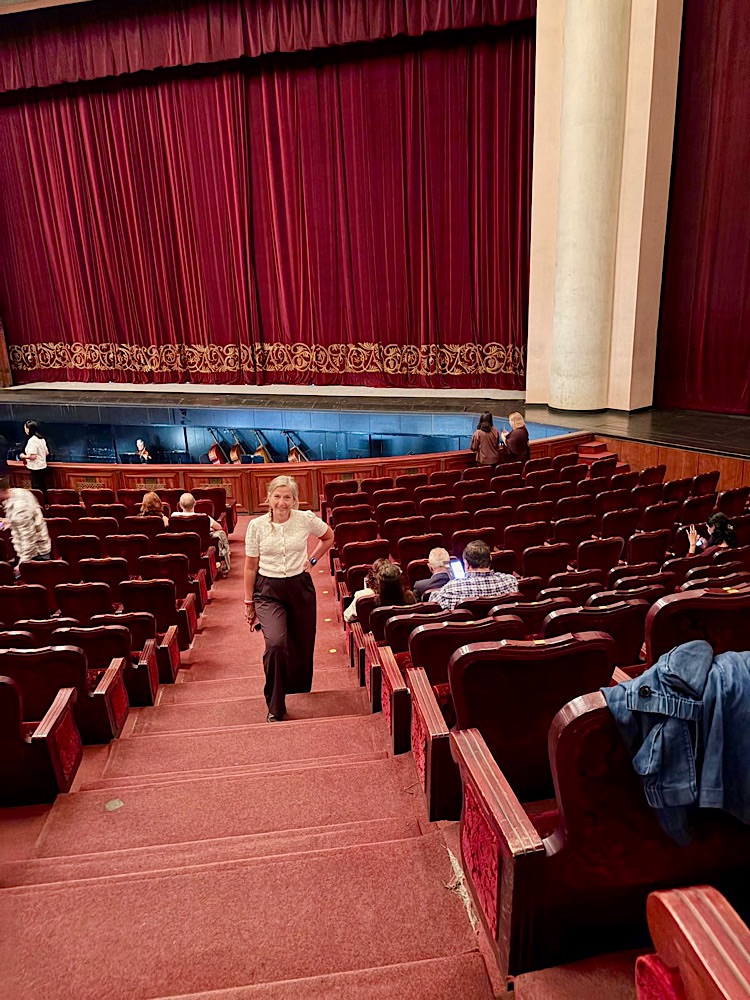
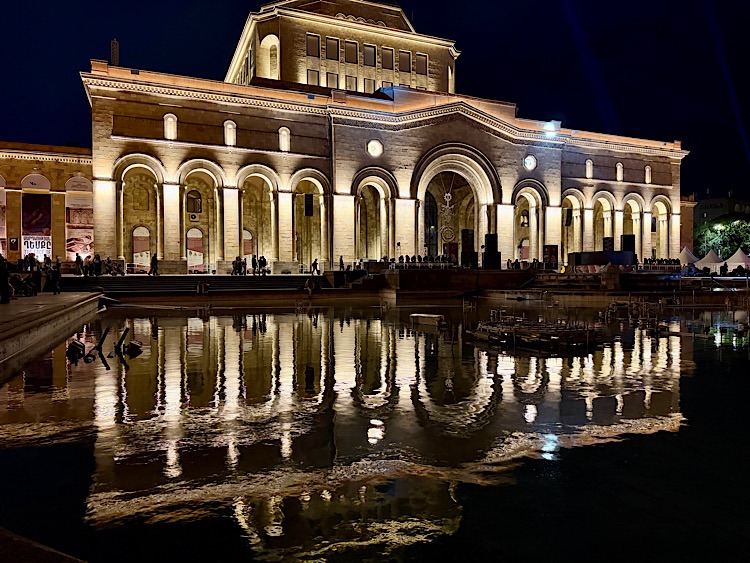
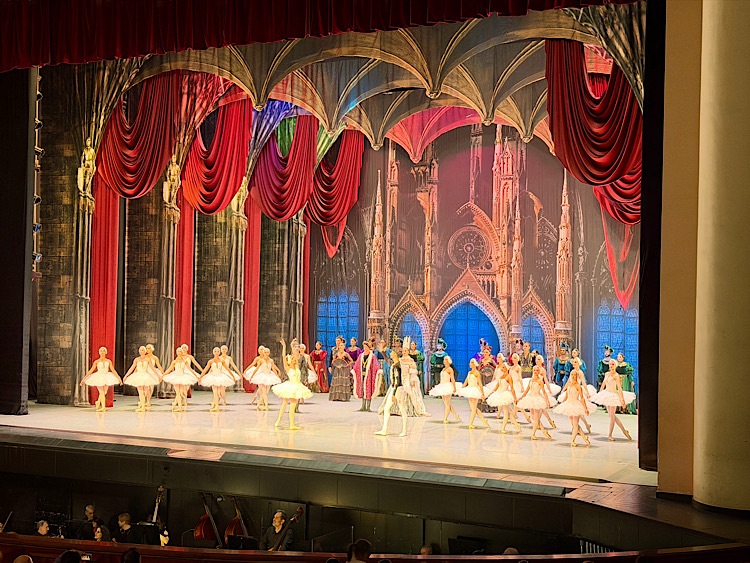
That evening Davindar and I scored tickets for the ballet at the opera house. Having never been to a ballet before, Swan Lake was a perfect introduction. It was beautiful and could even follow the story. We had decent seats for a fraction of what it would have cost in Toronto.
The opera house was a 10 minute walk from our hotel. Again I was surprised at how safe I felt wandering the streets at night. People were out with families even after 9 pm.
After just 2 nights in Armenia we headed back to the border. Again, they had it in for me. I had to take my bag apart and show them all the “drugs” I was carrying. Since I’m travelling for several months, I had more than the usual. A few “just in case” prescriptions and some supplements. Certainly nothing prohibited. Finally she just asked “Psychotropics?” No! So, if you’re heading to Georgia, be careful what you carry. Many antidepressants contain psychotropics. I’m not sure what would be required to bring them with you
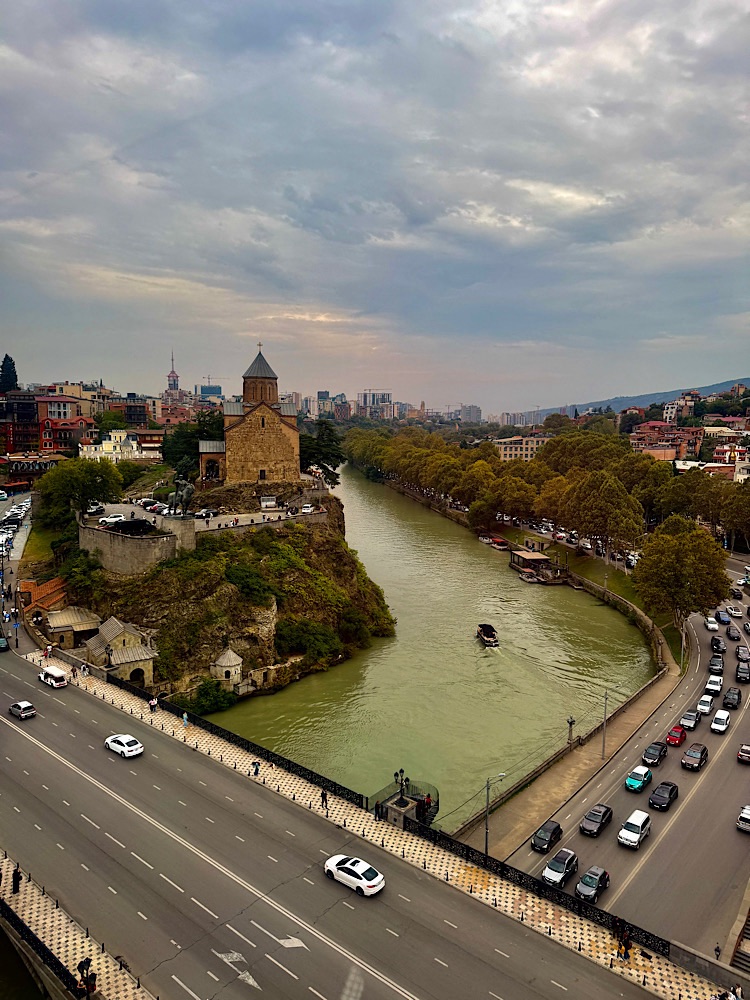
Tbilisi again
Back in Georgia we headed to Tbilisi where we enjoyed a final dinner with our group.
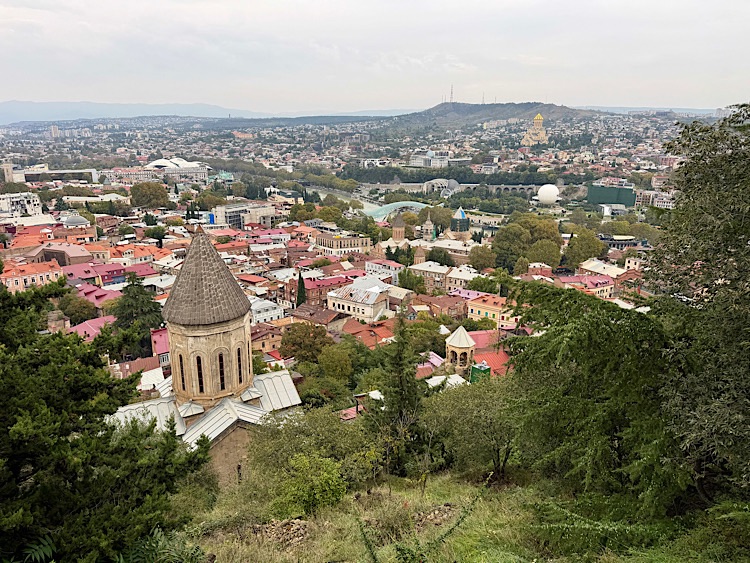
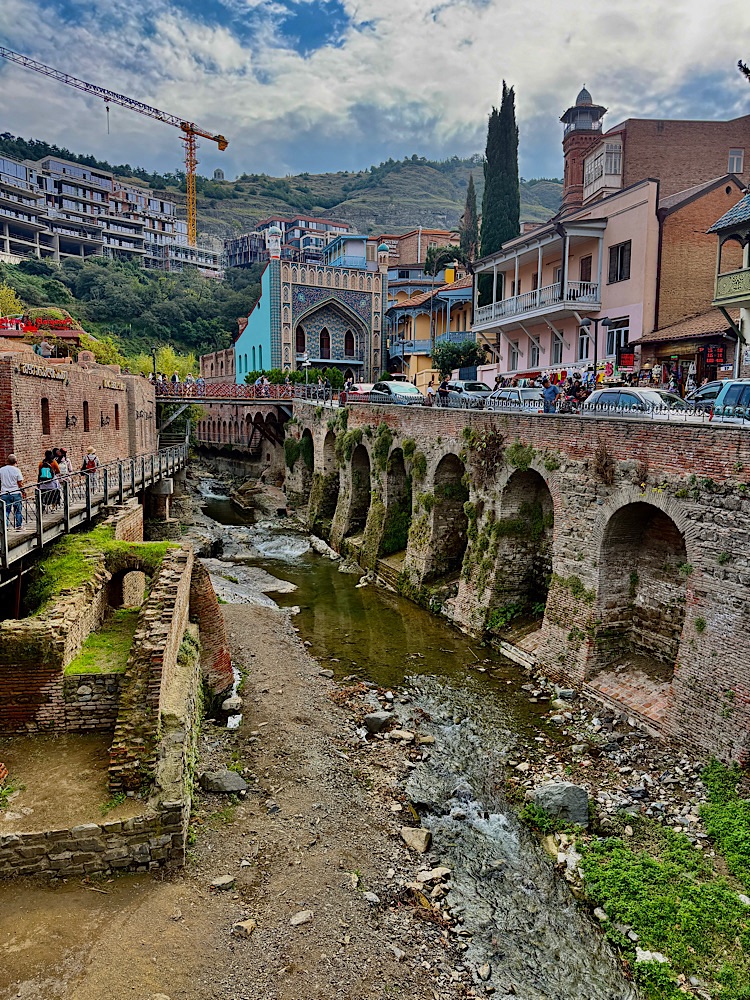
Josephine, Davindar and I spent a day wandering the old city and visiting places we’d missed previously. Josephine headed to the airport to continue her travels to Turkey.
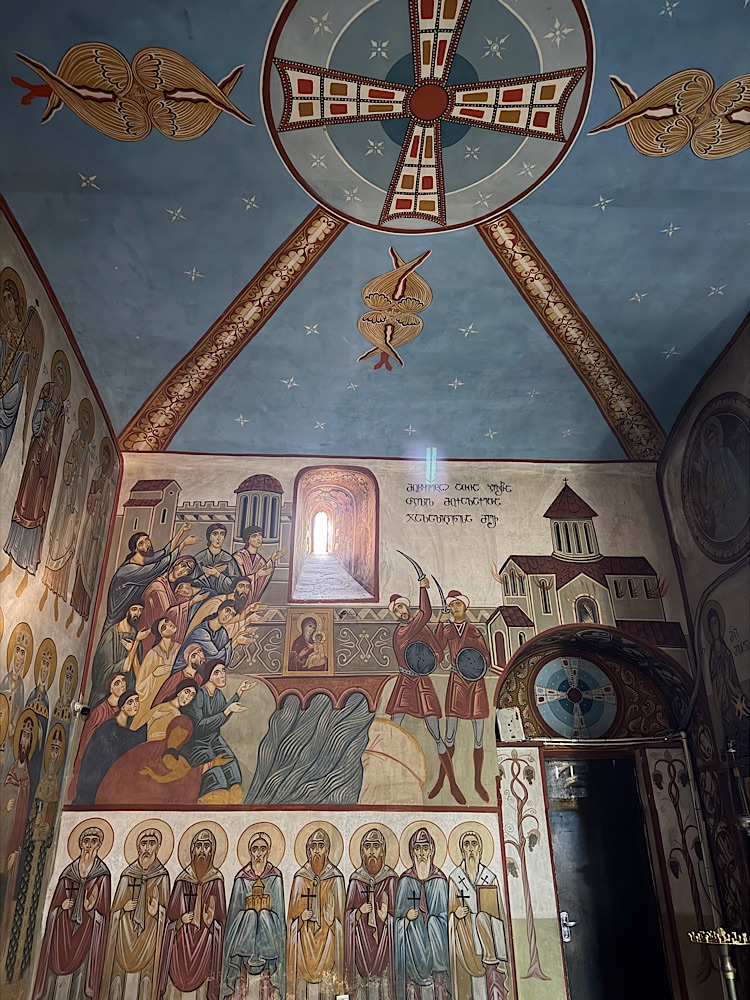
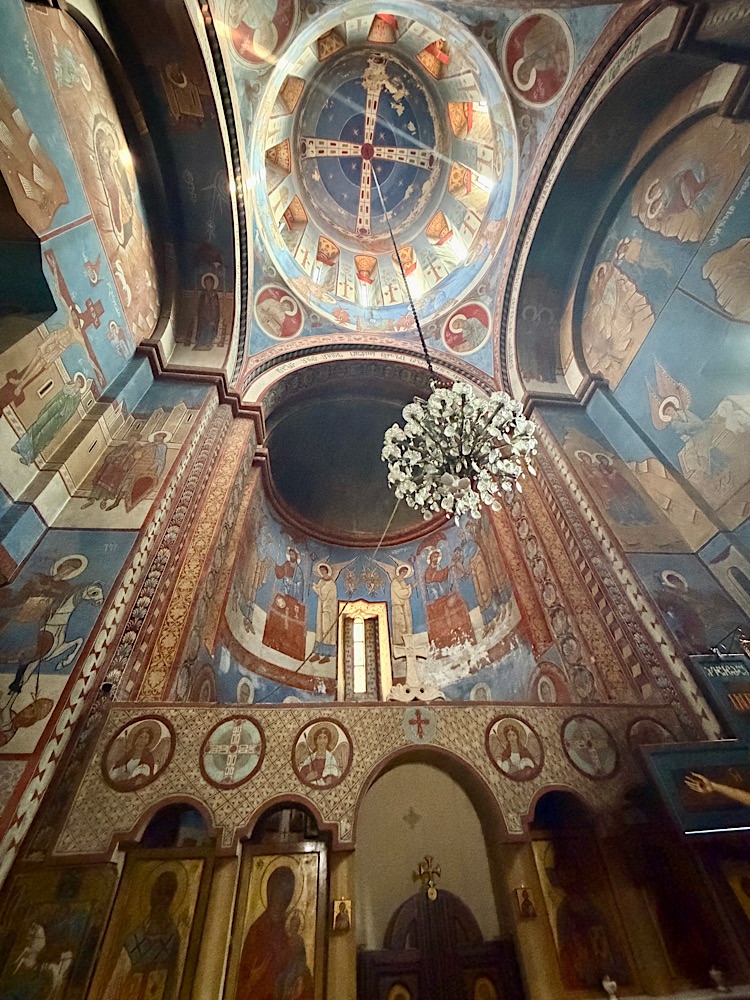
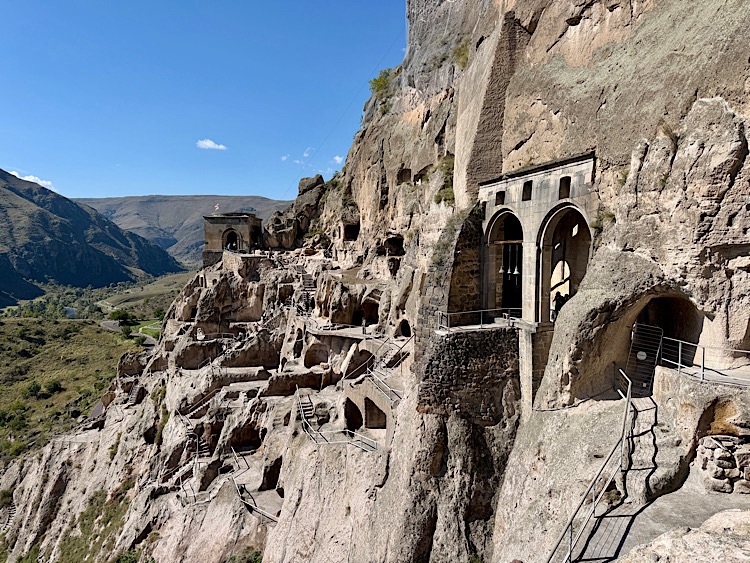
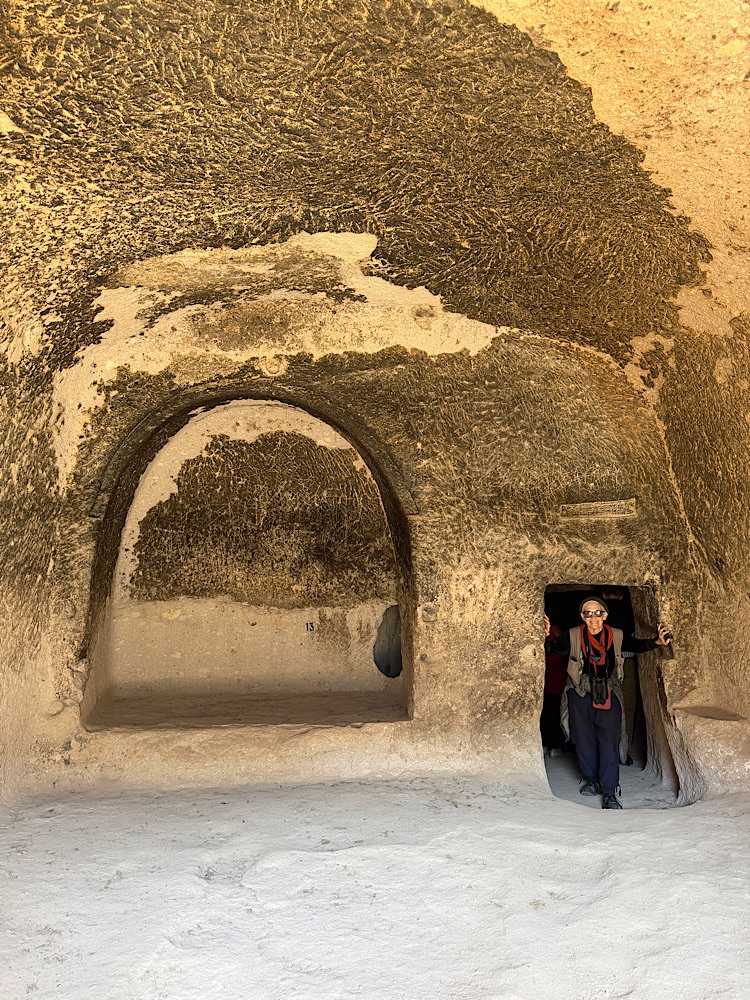
Davindar and I booked a day tour with Gamarjoba Georgia (Hello Georgia!) No, we had not had enough monasteries. David Gareja did not disappoint. Carved out of caves it once housed 6,000 monks. It’s in the desert and surrounded by the rainbow mountains. They’re really just hills. The colours of the minerals create a rainbow effect that is really stunning.
David Gareja has a tragic history of several invasions. In 1615 the Persians surrounded the complex and massacred 6,000 monks who refused to denounce Christianity.
In 1851 bandits from Dagestan tortured and beheaded most of the residents. A surviving monk later told the story when he was released from captivity.
When the Soviets took over in 1921 they banned all religious services so the monastery was abandoned. In the late 20th century they used it as a firing range.
David Gareja is now a functioning monastery on the Azerbaijan border. This is guarded due to disputes between the countries so there is no access to parts of the complex.
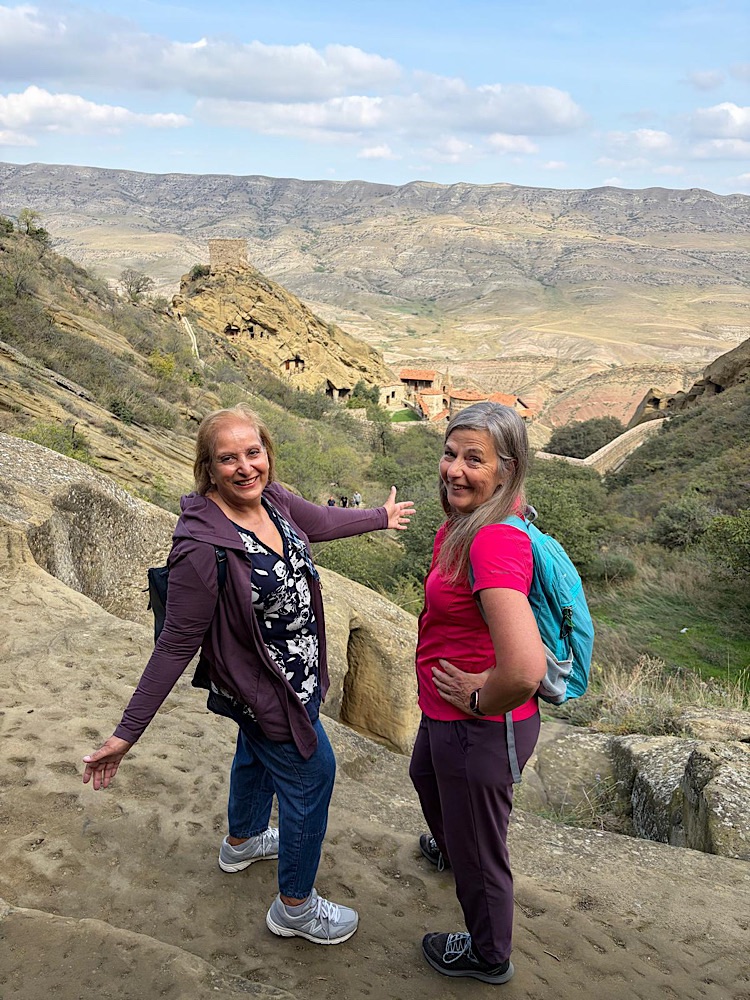
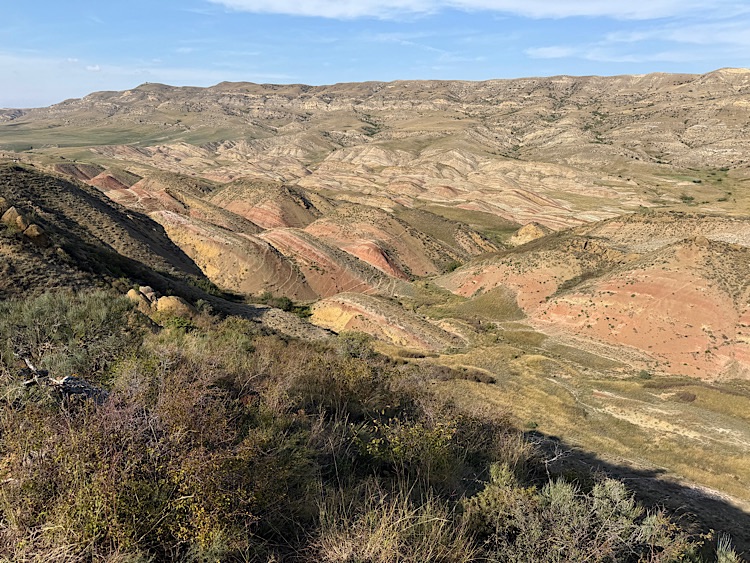
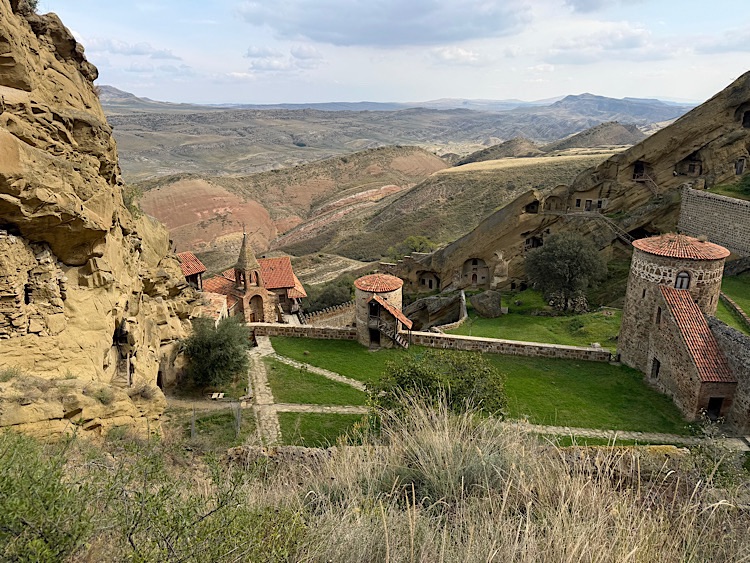
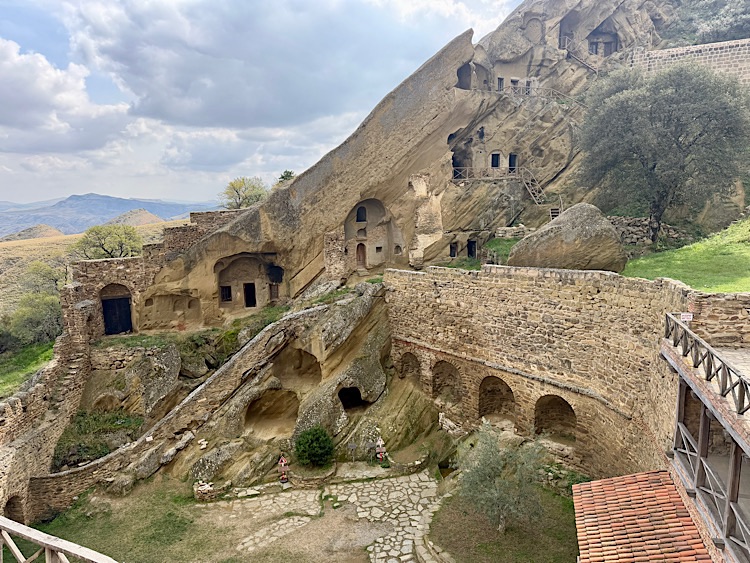
We did a couple of hikes here. When a man slipped on the scree in front of me, I opted out of the last hike. He ended up having to be taken by ambulance to the village hospital as he broke his ankle. I decided it wasn’t worth the risk.
We stopped at the village hospital so our guide could translate for the injured man. It was a nice, eclectic group of people and fun to discuss their home countries and impressions of Georgia
At 3:30 am the bolt driver was ready to take us to the airport. Our lovely hostess even got up to say goodbye!!
Now on to the next adventure. An interlude in the UK visiting friends and touring the countryside of Yorkshire.


